
Blog > Can You Match New Hardwood to Existing Floors? What’s Realistic
Thursday, January 01, 2026
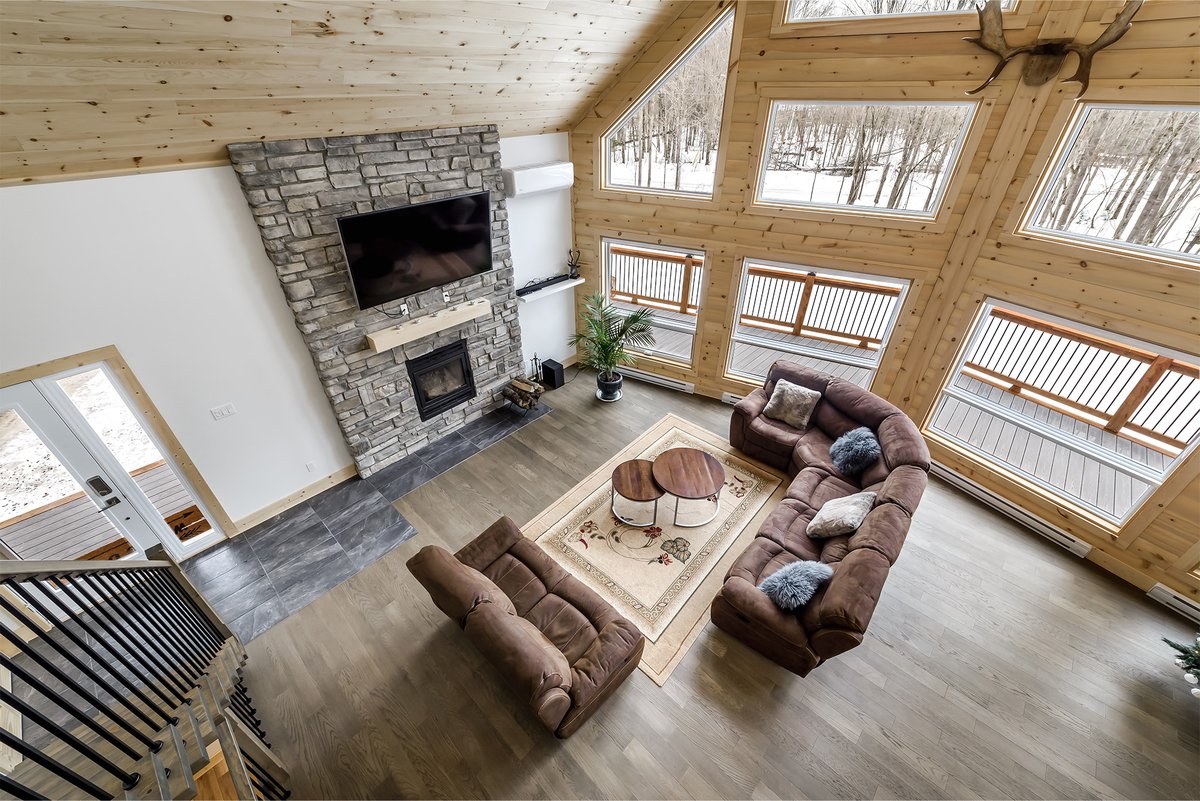
Can You Match New Hardwood to Existing Floors? What’s Realistic
Homeowners often come into CSM Flooring showrooms in Greensboro, NC, Wilmington, NC, and Whitsett, NC with a simple question: “Can you match my existing hardwood?”
The honest answer—especially here in North Carolina—is yes, but with realistic expectations. Wood changes over time, homes settle, finishes age, and sunlight alters color. Understanding what can be matched (and what can’t) is the key to avoiding disappointment and costly rework.
This guide breaks down the technical realities behind hardwood matching so you can make confident, informed decisions before installation begins.
Why Perfect Hardwood Matches Are Rare
Hardwood is a natural material, and no two boards are identical—even when they come from the same species and manufacturer. Over time, several factors create visible differences:
- Oxidation: Wood darkens or lightens as it reacts with oxygen
- UV exposure: Sunlight fades or ambers floors unevenly
- Wear patterns: Traffic lanes polish boards differently
- Old finishes: Many older floors used oil-based finishes no longer common
Even if you buy the same species, same width, and same stain, the new boards will still look newer—especially at first.
What Factors Matter Most When Matching Hardwood
1. Wood Species (Non-Negotiable)
Matching species is essential. Red oak will never convincingly match white oak. Hickory won’t blend with maple. Grain structure and pore size must align first.
2. Board Width and Thickness
Older homes often have narrower boards (2¼” or 3¼”). Modern floors trend wider. Width differences are immediately noticeable, especially in open spaces.
Thickness also matters—especially if tying into existing floors without transitions.
3. Grain Pattern & Cut
Plain-sawn boards show cathedral patterns. Rift- and quarter-sawn boards look straighter and more uniform. Mixing cuts can make floors look mismatched even if color is close.
4. Finish Type and Sheen
A satin polyurethane reflects light differently than an older semi-gloss oil finish. Even with identical stain color, sheen mismatch can break the illusion.
When Matching Works Best
Matching is most successful when:
- Adding hardwood to adjacent rooms, not continuous spaces
- Installing unfinished hardwood, then sanding and finishing together
- Using transitional breaks (doorways, hallways) strategically
- Refinishing existing floors to blend old and new
In many Greensboro and Whitsett homes, refinishing everything creates the cleanest result. In Wilmington, coastal light exposure often makes blending more challenging.
Realistic Alternatives That Look Better Than a “Close Match”
Sometimes the best solution isn’t matching—it’s coordinating.
- Use the same species but shift stain slightly
- Change plank width intentionally
- Run flooring in a different direction
- Add a design transition that feels planned
These approaches often look more polished than a near-miss match.
Why Professional Evaluation Matters
At CSM Flooring, our local flooring experts assess:
- Moisture levels
- Subfloor height differences
- Existing finish compatibility
- Sun exposure patterns
This prevents issues like cupping, uneven transitions, or visible seams months later.
Matching new hardwood to existing floors is absolutely possible—but perfection isn’t the goal. The goal is a clean, intentional result that respects how wood behaves over time.
If you’re planning an addition, renovation, or room upgrade, visit or contact CSM Flooring for a free flooring consultation. Our team serves homeowners Greensboro, NC, Wilmington, NC and Whitsett, NC, helping you choose solutions that look right today—and still make sense years from now.