
Blog > Things to Know Before Installing or Considering Smooth Hardwood Flooring
Wednesday, December 03, 2025
Things to Know Before Installing or Considering Smooth Hardwood Flooring
Smooth hardwood flooring remains the gold standard for homeowners seeking timeless elegance, durability, and long-term value. Before investing in smooth hardwood, however, it’s critical to understand how material selection, site conditions, and installation variables impact performance. At CSM Flooring, with showrooms across Greensboro, NC, Wilmington, NC, and Whitsett, NC, we help homeowners make informed decisions that align beauty with functionality.
What Is Smooth Hardwood Flooring?
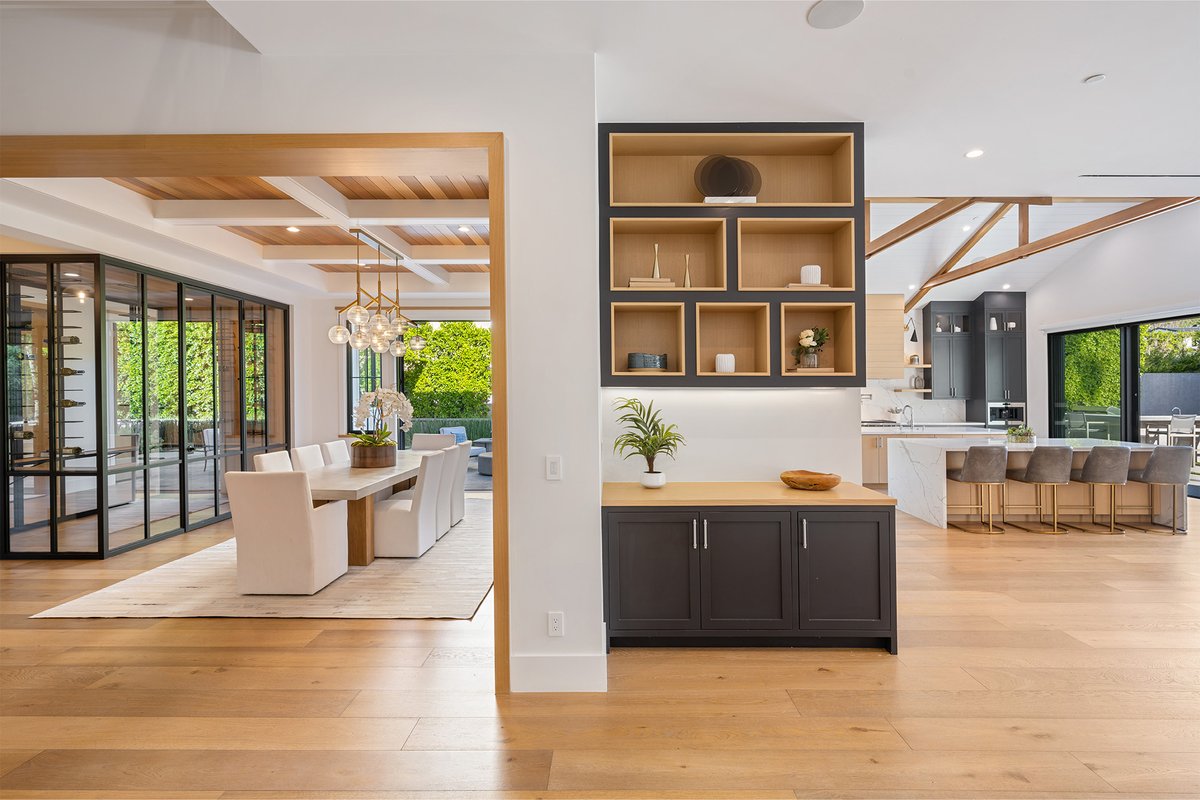
Smooth hardwood refers to boards with a flat, sanded surface finish—distinct from hand-scraped, wire-brushed, or distressed styles. Its refined appearance highlights the natural grain structure of the wood, making it ideal for formal living spaces, dining rooms, and open-concept interiors.
However, this clean surface also means scratches, dents, and wear patterns are more visible—making proper planning essential.
Solid vs. Engineered Smooth Hardwood
One of the most important considerations is construction type:
- Solid Hardwood: Milled from a single piece of wood, typically ¾” thick. It can be sanded and refinished multiple times but is sensitive to moisture and temperature fluctuations.
- Engineered Hardwood: Made of multiple cross-layered plies with a real hardwood veneer. It offers superior dimensional stability and performs better in areas with humidity variation or over concrete subfloors.
For homes with radiant heating or slab foundations, engineered smooth hardwood is often the better technical choice.
Subfloor Preparation Is Non-Negotiable
Smooth hardwood demands a perfectly flat subfloor. Industry standards require no more than:
- 3/16” variation over 10 feet, or
- 1/8” over 6 feet
Any deviation can cause hollow spots, squeaking, or long-term structural stress. Moisture testing (using calcium chloride or RH probes) must also meet NWFA standards before installation.
Finish Types and Durability
Smooth hardwood finishes directly impact maintenance and lifespan:
- Aluminum Oxide UV-Cured Finishes: Factory-applied, extremely durable, ideal for high-traffic areas.
- Oil-Based Polyurethane: Enhances grain richness but takes longer to cure.
- Water-Based Polyurethane: Low VOC, faster drying, and clearer tone.
Matte and satin finishes hide micro-scratches better than high-gloss, making them more practical for active households.
Acclimation and Climate Control
Hardwood must acclimate to the home environment for 3–7 days before installation. HVAC systems should be running, with indoor conditions stabilized between:
- 30–50% relative humidity
- 60–80°F temperature
Skipping acclimation is one of the most common causes of cupping, gapping, or crowning.
Long-Term Maintenance Expectations
Smooth hardwood requires:
- Felt pads on furniture
- Regular dry mopping with microfiber
- Controlled humidity year-round
For homeowners who understand and commit to this care, smooth hardwood can last 50–100 years.
Final Thoughts
Smooth hardwood flooring is a premium investment that rewards proper planning and professional execution. At CSM Flooring, we guide you through wood species selection, subfloor readiness, and finish performance to ensure lasting results. Visit one of our showrooms or call us today to schedule a personalized consultation.